OPEN-TANK
FERMENTATION
A UNIQUE BREWING PROCESS
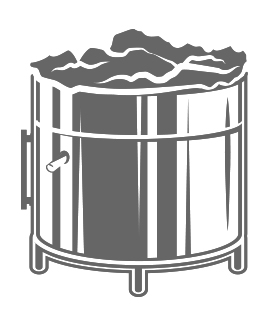
McAuslan is one of the only breweries to ferment its beers in a closed room with open tanks. Open fermentation is a technique that is distinguished by using an open tank instead of a closed tank.
This age-old method has almost completely disappeared from the market and is what makes St-Ambroise beers unique.
St-Ambroise uses open-tank fermentation as it provides superior flavour and maintains the connection to traditional production methods.
BENEFITS OF OPEN FERMENTATION
1
Better flavor control
Open fermentation allows for improved evacuation of unwanted and volatile compounds, resulting in a better flavour profile in the final product.
2
Fast & Vigorous fermentation
Access to oxygen can stimulate more vigorous and rapid fermentation at the beginning of the process.
OTHER PROCESS
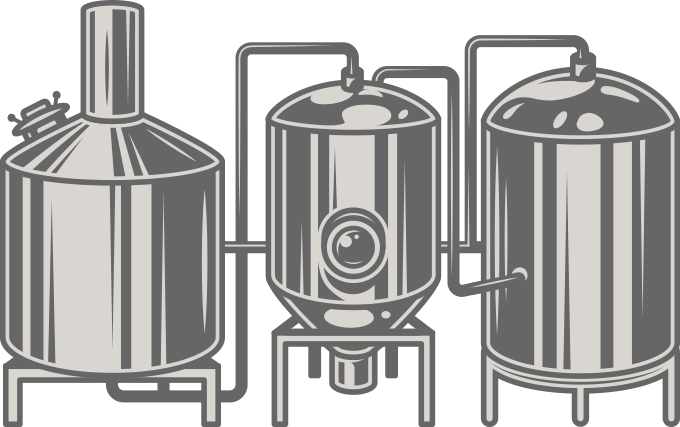
CLOSED-TANK FERMENTATION
Brewing Ingredients
Water, malt, hops and yeast all play a role in beer production. Brewers need to know the flavours each ingredient brings to a particular beer recipe. What malt and hops to use. What yeast to use ale or lager. Moreover, they need to know the subtle differences between the many malt and hop varieties from different suppliers and what works best for their beers. Also, the role of mother nature How is that Barley corn or hop affected by too much rain or not enough rain. To maintain a very consistent high quality beer is challenging and requires knowing your ingredient base.
Malt
Where it all begins with the main ingredient in beer, there are many different types.
The versatile Canadian Base malt is the malt of choice for Brewers. It provides great fermentability (high extract) and can be used in all beer styles.
As their name suggests, base malts serve as the foundation for all beers. Next comes Crystal Light imparts brilliant golden hues to the finished beer, and contributes subtle flavor notes of malty sweetness, caramel, and toffee.
Hops
Hops add bitterness, aroma and flavour to the beer. The variety, amount and time the hops are added to the Brew kettle depends on the beer style. The most commonly used are pellet hops which are highly concentrated leaf hops.
YEAST
Can be divided into two main categories Ale Yeast which are top fermenting and Lager yeast which are bottom fermenting. These 2 categories are then further broken down into different yeast varieties based on the beer style you want to create.